
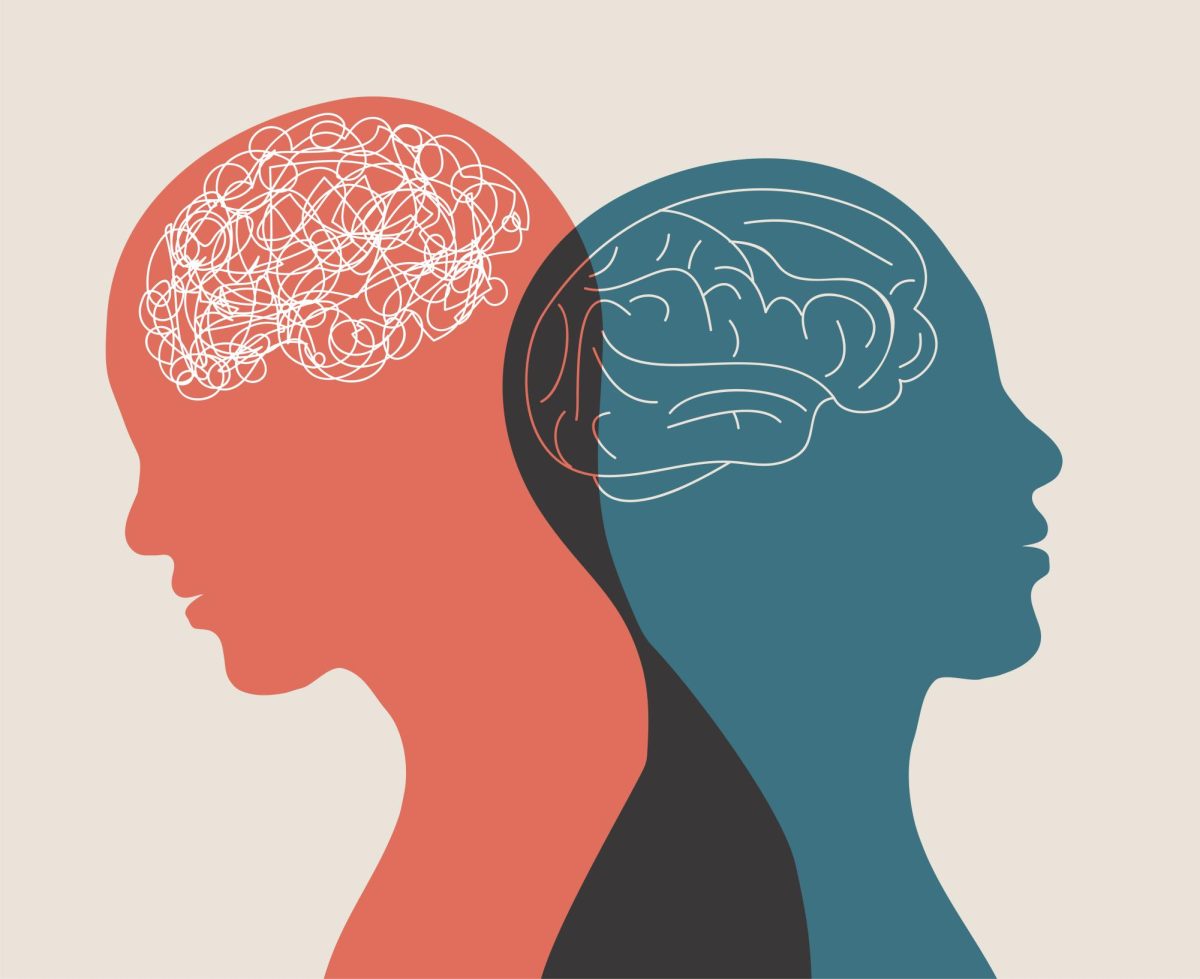
The Global Mental Health Gap
According to the World Health Organization, “governments in high-income countries spend about $66 per person per year on mental health care, while in low-income countries, that figure is $0.04.” In this current day and age, mental health is gradually gaining recognition as a vital part of our overall wellbeing. However, this growth isn’t equal throughout the world. While mental health recognition is increasing in countries like the United States, millions of individuals lack access to basic healthcare in populous developing countries like Africa, India, Pakistan, and Nigeria. For instance, the ratio of people to the number of psychiatrists available in these countries is staggering. Some countries like Chad, Eritrea, and Liberia only have one psychiatrist available for 100,000 individuals, and these countries have populations in the millions.
Causes of these Disproportions
This unequal distribution of resources is due to a multitude of factors. Firstly, geographical land makes access and recognition for mental health limited and can be credited to cultural and societal norms and pressures within the country. Mental Health stigma is still strong throughout the world; however, it’s more concentrated in countries that lack awareness and education. Mental health stigma refers to negative prejudices that are based on stereotypes which can cause society to view individuals with mental health illnesses to be inferior. This stigma and discrimination lead to social isolation of the individual and their family. Also, the deprivation of mental health resources discourages fields in mental health services. This limited amount of modern psychiatric services increases belief that mental health diseases are virtually incurable.
Comparing Developed Countries versus Undeveloped Countries
Some characteristics of developed countries are having a low unemployment rate, guaranteed health and security, and high levels of science and technology. On the other hand, undeveloped countries may have limited healthcare facilities, lack guaranteed security, experience high unemployment rates, and face uncontrolled population growth. While stigma around mental health is global, wealthier countries have campaigns and emerging policies to increase awareness and acceptance. However, developing countries’ public knowledge and education on mental illnesses are poor and inaccurately understood. Additionally, in Africa, a country noted for its strong stigma around mental health, there is a distrust against mental health medical professions. This distrust can be largely attributed to language barriers. Many cultures in Asia value emotional self-control, and individuals receive family recognition through its achievement. This ideology makes discussing mental illnesses shameful. The United States is a melting pot of cultures and ethnicities, so Asians here also face stigma within their communities despite living in a developed country. This stigma cultivates a sense of isolation which can leadto mental health illnesses, like depression. Mental Health Service Provision in Low-and Middle-Income Countries (a medical journal published by Sage Journal) states that “experts predict that by 2030, depression alone is likely to be the third leading cause of disease burden in low-income countries and the second highest cause of disease burden in middle-income countries.”
Closing the Gap
What is being done to bridge this gap? The World Health Organization (WHO) has been conducting ongoing work called the Mental Health Gap Action Programme (mhGAP) since 2008 in hopes of “scaling up services for mental health, assisting with neurological and substance use disorders,” and helping struggling individuals get back on their feet in areas where there is a widespread dearth of healthcare resources. Additionally, WHO has created an intervention guide to spread their efforts, which has provided instructions to healthcare workers in environments with limited resources on how to approach mental health issues. Organizations like WHO, the Center for Global Mental Health Research (CGMHR), and many more are working diligently to bridge the prolonged gap in mental health resources around the world.
Work Cited
Roser, Max. “Mental Health Care Is Scarce Everywhere — but in Poor Countries, It Barely Exists.” Our World in Data, 31 Mar. 2026, ourworldindata.org/data-insights/mental-health-care-is-scarce-everywhere-but-in-poor-countries-it-barely-exists.
Convit, Jacinto. “Mental Health in Developed vs Developing Countries | Jacinto Convit World Organization.” Jacinto Convit, 28 Oct. 2021, www.jacintoconvit.org/social-science-series-5-mental-health-in-developed-vs-developing-countries/.
Ngui, Emmanuel M., et al. “Mental Disorders, Health Inequalities and Ethics: A Global Perspective.” International Review of Psychiatry, vol. 22, no. 3, June 2010, pp. 235–244, pmc.ncbi.nlm.nih.gov/articles/PMC2935265/, https://doi.org/10.3109/09540261.2010.485273.
Rathod, Shanaya, et al. “Mental Health Service Provision in Low- and Middle-Income Countries.” Health Services Insights, vol. 10, no. 1, Jan. 2019, p. 117863291769435, https://doi.org/10.1177/1178632917694350.
WHO. “Mental Health Gap Action Programme (MhGAP).” Www.who.int, 2023, www.who.int/teams/mental-health-and-substance-use/treatment-care/mental-health-gap-action-programme.