
The communities we are born into shape the way we see our lives. Traditions, cultures, and experiences are all unique in beautiful ways, and coexisting with others means sharing these things for the benefit of everyone. However, when sharing turns into stealing and rebranding, it’s no longer culture; it changes its structure into something completely different.
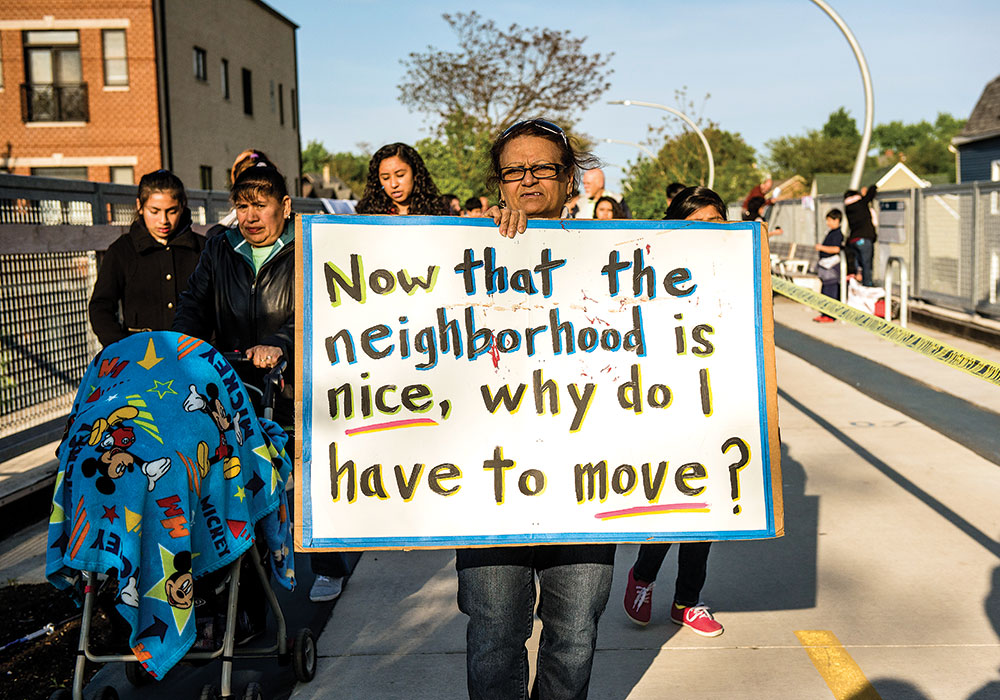
Gentrification, in simple terms, is when a wealthier group of people move into a low-income neighborhood and transform it with physical improvements. This may include increasing rent, rising property values, and new businesses. This might seem like a good thing if you look at the bigger picture, but the price of advancement in an area is the people who are pushed out of their homes. The original residents become displaced as they are not able to afford the place they called home. Not only that, but it also results in the loss of community and culture. When residents are displaced, small businesses, local traditions, and neighbors disappear. Along with the economic problems gentrification comes with, there’s also inequality issues. Gentrification usually affects communities with people of color and the working class families, which furthermore deepens existing social inequalities.
Cultural appropriation is very similar to gentrification, in the sense that instead of taking away the identity of communities in neighborhoods, a dominant group takes elements of a marginalized culture, such as clothing, music, hairstyles, and traditions, without attempting to respect and give credit to the culture it comes from. For the longest time, people of color have been shamed for things like what they eat, what they wear, their traditional dances, makeup, hair, etc. But once these things that are usually hidden by groups in order to fit into “societal norms” become popular and mainstream, it’s one of the only times acceptance is expressed instead of shame and slander.
For instance, matcha, a trending drink that originates from Japan, became particularly popular around 2015, popular food chains, including Dunkin and Starbucks, added matcha to their menus, which also resulted in mainstream acceptance. The only problem is the fact that the price for matcha has skyrocketed. This results in many groups of people attempting to keep their traditional drinks from the public’s attention. Another example of cultural appropriation is in South Asia, where more influential groups are rebranding parts of the cultures into trends. Henna has become temporary tattoos, choorian/chooris are being marketed as buddha girl bangles, and dupattas are becoming scandinavian scarves. On black people, their community is constantly slandered for being “ghetto”, big hoop earrings are distasteful on black colored people, but then it’s marketed as high fashion? The problem isn’t sharing pieces of culture; it’s the fact that there is a double standard in place that does not give credit where credit is due.
This information makes it easy to compare neighborhood gentrification and cultural gentrification; in gentrification, when wealthy people move in, it’s the same as a dominant culture being adopted as a new style/tradition. Rent prices going up is similar to culture being marketed and profited from. Original residents being displaced is the same as the original community losing credit for what was theirs. Neighborhood changing identity is the same as the cultural element becoming mainstream. Culture is meant to be shared but not taken. The world is improving by starting to accept different cultures and opening people up to new things, but it’s one step forward and two steps back.