
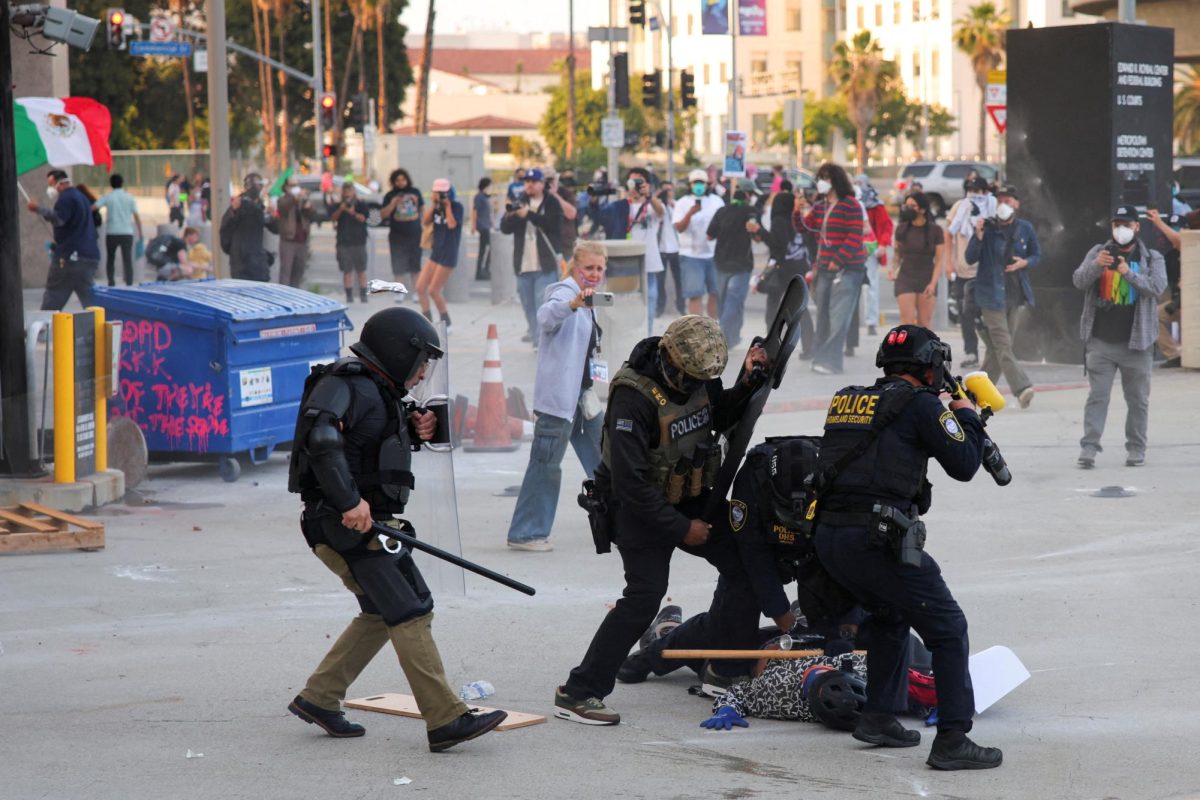
Across the United States these past few weeks, more than 300 anti-ICE protests took place. Thousands of Americans rallied against the U.S. Immigration and Customs Enforcement (ICE). These riots have been driven by recent controversial events nationwide.
Fatal Shootings by Federal Agents
Two widely reported deaths intensified public outrage. The first death was 37 year-old Alex Pretti, an ICU nurse who was shot and killed in late January during a federal operation. Videos circulating the internet and reports by the eyewitnesses raised many questions about the circumstances of the shooting and the actions ICE was taking. Renee Good, the second death, was fatally shot in early January, during immigration enforcement action in Minneapolis.
These deaths sparked a large backlash against ICE tactics with people being frustrated by the aggressive enforcement and what they see as a federal overreach into local communities.
What’s Being Planned
To create a bigger impact, instead of having unorganized riots many groups have organized coordinated and national days of action. Some examples include; an effort called “ICE out of Everywhere National Day of Action” encouraging people to skip work or school to show solidarity, a large march and protest in Minneapolis which drew thousands with chants like “ICE out now!” and calls for an immigration policy reform, and a planned action sometimes referred to as “No Kings,” is scheduled for March 28 which could draw millions of protests nationwide.
What the Protests Look Like
Most of the protests so far have been peaceful marches, rallies, and public assemblies. Many of the participants carry signs calling for accountability from federal agencies, changes to the immigration policy, and even the abolishment of ICE entirely. In Minneapolis, there have also been economic protests with some organizers urging people to avoid work, school and shopping.
What Protesters Say They Want
Protestors are calling for greater transparency and accountability for federal agents, changes to immigration enforcement policy, oversight of federal law enforcement agencies that operate in local communities, and some groups even advocated for defunding or abolishing ICE altogether.