
Across the world, tourists travel to the sites of famous statues to admire the incredible work of artists and the historical significance of the people they depict. However, over time, these visitors have become less focused on the skill displayed in the statues and more focused on the superstitions that excuse the sexualization of these beautiful works of art. Although the rubbing and wear of these statues may seem harmless, they serve as proof of society’s role in the objectification of people’s bodies and its obliviousness to behaviors that resemble sexual harassment.
Juliet of Verona
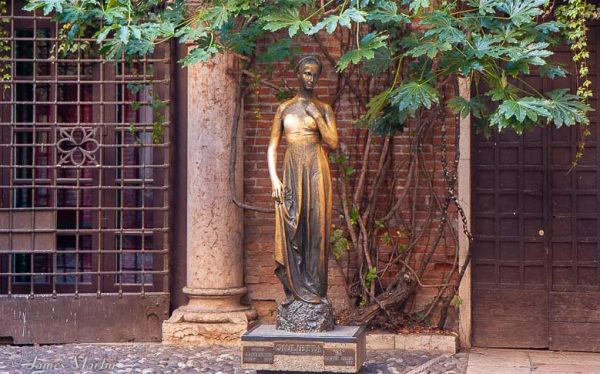
“It is the East, and Juliet is the sun.”- Shakespeare. As Shakespeare said himself, the beauty of his character, Juliet, was something to be admired, which is what tourists in Verona have done for years at the statue of Juliet Capulet. In 1969, Italian artist Nereo Costantini created a statue of Juliet to honor the infamous character in the courtyard of the “Juliet House, otherwise known as the Dal Capello family home, which legend states inspired the Capulets. Although Constantini created the statue to depict an innocent thirteen-year-old girl, tourists have sexualized her by establishing a tradition of rubbing the statue’s breasts to receive good luck in love.
It is unknown when this tradition began, but due to the damage it caused to the statue’s right breast and arm, locals petitioned for its removal. In 2014, their efforts succeeded, and Juliet was moved to the Museum Castelvecchio for safety and display, while being replaced by a €15,000 replica. Unfortunately, despite these changes, the new copy has developed a crack in its breast similar to the original, due to the actions of many love-seeking tourists. Locals are now advocating for additional changes that might save the statue from further damage, such as raising it onto a platform that would make it more difficult to reach.
It is for the future to decide whether these changes will occur, but the situation does draw attention to society’s acceptance of sexism and sexualization, even when it applies to inanimate objects. Although the statue isn’t a real person, the character it depicts should lead visitors to admire her as a child whose life was overtaken by love and rivalry, not as a girl who should be fetishized simply because tourists believe a popular ritual will grant them the love they seek.
Molly Malone

In the lush green landscape of Ireland, a statue of a woman named Molly Malone stands in Dublin, the nation’s capital. Molly was sculpted by Jeanne Rynhart and unveiled by the Lord Mayor of Dublin, Ben Briscoe, in 1988. Although it is unknown if Molly Malone was a real person or simply a work of fiction, to the people of Ireland, she represents both the women of the country and its working class. According to a traditional Irish song, “Cockles and Mussels,” she sold cockles and mussels from a wheelbarrow as a fishmonger’s daughter.
Since the erection of her statue, Molly has been turned into an object of sexualization and given the popular rhyming nickname “the tart with the cart,” based on the legend that she worked as a fishmonger during the day and a sex worker at night. Now the statue’s breasts show obvious signs of wear due to tourists groping the statue during their visits. Dating back to before 2014, this tradition has grown in popularity and is supported by the belief that those who rubbed Molly’s breasts would be granted good luck.
Locals have complained about the disrespect they’ve seen towards this national treasure and have made some suggestions on how to prevent further damage or discoloration. Some suggest that repainting the statue could fix the issue, but much like the statue of Juliet in Verona, locals fear Molly would eventually return to her current state. Others have suggested placing her on a higher plinth, which would prevent visitors from reaching her breasts and also elevate her to the same level as many of Dublin’s male statues.
Much like Verona’s Juliet, the future of Molly Malone is uncertain, but many hope the campaigns and efforts of locals will not go unnoticed by tourists. This national icon has gone from being recognized for the people she represents to being known for the discolored shine of her breasts. Although she is an inanimate object, she has come to represent the sexism and sexualization that many hardworking women must endure on a daily basis.
Victor Noir
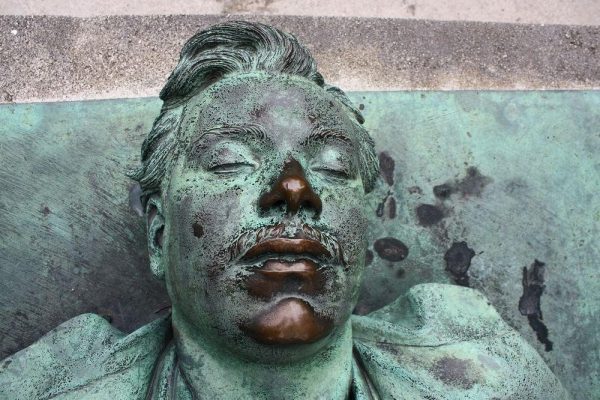
In the Père Lachaise Cemetery in France, a fallen man named Victor Noir lies awaiting the visits of many tourists. Unfortunately, the reason for most of these visits is not to honor the great man he was. Victor Noir was a French journalist who was killed in a duel by Prince Pierre Napoleon Bonaparte. After news of his death spread, Victor became a martyr for the French Republic and a symbol of resistance against Napoleon’s empire. To commemorate him, sculptor Jules Dalou created a highly realistic sculpture of Victor for his tomb.
Every detail of the sculpture was carefully crafted, from the wrinkles in his clothes to the accuracy of his pose. The detail that drew the most attention from visitors was the slight bulge beneath his belt. Once this feature was noticed, Victor’s recognition shifted from a talented journalist and historical figure to a symbol of sex and fertility. A legend soon formed claiming that kissing Victor’s lips while rubbing his crotch would result in pregnancy. Since the legend became popular, Victor’s lips and crotch have developed obvious discoloration and shine.
Due to the damage, a fence was installed around Victor Noir’s tomb in 2004 to prevent further interference. However, the fence was later removed after receiving backlash, and now the tradition continues today. Unlike the statues of Juliet and Molly Malone, the damage done to Victor Noir’s sculpture has primarily been caused by women. While many people are quick to point out the sexualization of statues depicting women, the disrespect endured by Victor Noir must also be recognized. As a society, we often overlook the sexual harassment men experience, and this statue serves as a reminder of that imbalance.
What These Statues Reveal
As a society that claims to care for one another and recognize the hardships people endure, it is important to acknowledge when certain behaviors go too far. Just because the sculptures of Juliet, Molly Malone, and Victor Noir are inanimate objects does not mean the issues they represent should be ignored. The discolored and worn areas of these statues are immediately noticeable, yet the reasoning behind that damage often goes unaddressed.
The sexualization of these statues reflects the sexualization of men and women around the world who wish to be recognized for their personalities, strength, and character rather than their physical features. Recognizing this connection is an important step toward changing how we interact with art, history, and each other.
Sources: