
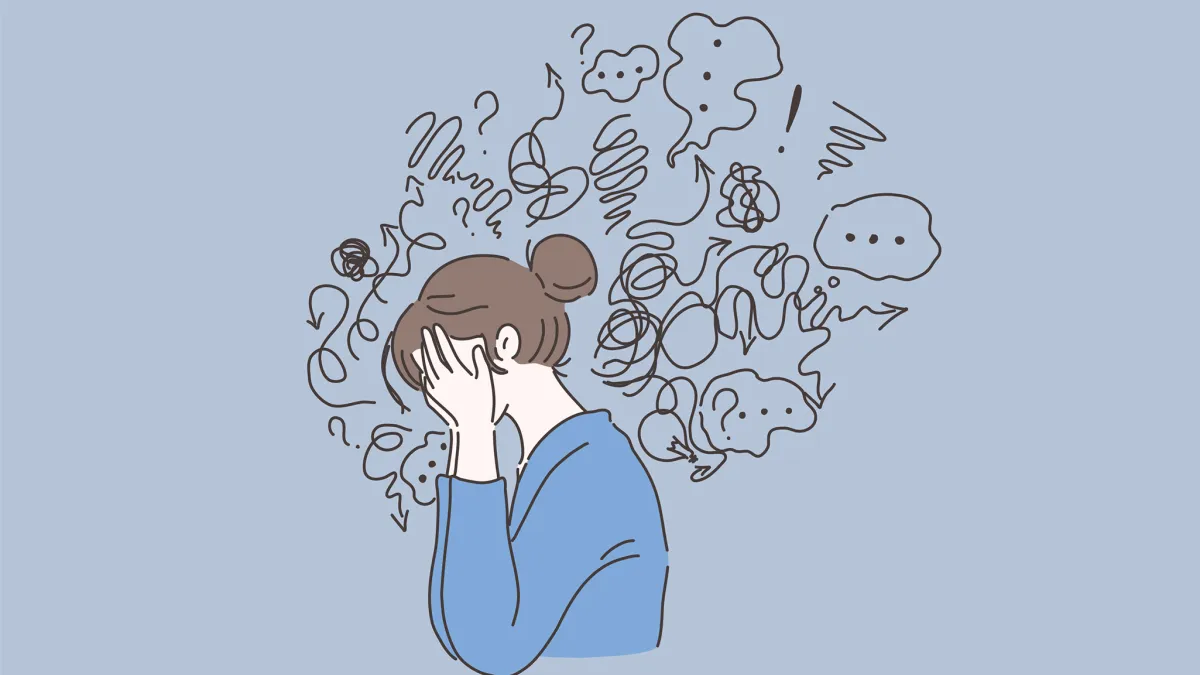
Stress is an inevitable part of life. In fact, in certain circumstances, stress can serve as a motivator to do something useful. But over the years, it’s clear that stress within teenagers has been rising to a level that can’t be ignored. In fact, according to data from the American Psychological Association (APA), American adolescents rated their stress at a 6.1 on a 10-point scale, while in comparison, the national average for adults was 5.0. What are the causes and effects of this rise in adolescent stress, and how might it be prevented?
With this growth in stress levels within American teenagers comes a variety of detrimental impacts. It’s been proposed that stress during adolescence plays a significant role in increased vulnerability to several harmful disorders. These include anxiety, schizophrenia, depression, and drug abuse. Furthermore, stress is linked to emotions like sadness and fear. It is also associated with a sense of being overwhelmed, dread, and a loss of interest or enjoyment in life.
Contemporary facts demonstrate a rise in these effects among adolescents. The APA has found that 70% of American youth, 13 to 17 years of age, choose anxiety or depression as major issues in their peers. According to the National Library of Medicine, at least 61 articles support the idea that these issues have only increased worldwide in the years after the COVID-19 pandemic, compared to pre-pandemic levels. Furthermore, according to a 2023 survey, nearly 1 in 3 high school students have reported feeling “so sad or hopeless almost every day for two or more weeks in a row.” While it is true that these issues are often caused by various factors, many experts attribute these findings to increased stress levels.
There are many factors that make the adolescent mind being particularly sensitive to stress and its effects. From a scientific standpoint, many parts of the brain are still in development. Notably, the prefrontal cortex– responsible for skills like planning and prioritization that can reduce the likelihood of stress later on– is one of the last components of the brain to mature. However, there are several external stressors in adolescence. According to national surveys, 83% of teenagers have cited school and the pressure to get good grades as a top source of their stress. Aside from this, other common causes linked to increasing stress in teenagers include social factors like bullying or peer pressure, family issues like unrealistic expectations or marital problems, and significant life events like moving or the death of a loved one.
With so many unique levels of stress in adolescence and factors that may cause it, preventing the negative effects of stress in teenagers isn’t an easily accomplished feat. Fortunately, with the right responses and actions, this goal isn’t impossible, either. Here are some methods of prevention experts recommend, along with reasons why they often help:
- Physical Activity: From gentle exercises like yoga and walking to more intense activities like team sports, physical activity triggers the release of endorphins. These can relieve pain and reduce symptoms of anxiety.
- Having A Schedule or Routine: A licensed clinical psychologist with a Ph.D. has stated that making a schedule or routine is “useful in that… it gives [something] to look forward to,” and helps manage stress by “minimizing the unknown,” especially in the overwhelming amounts of work teenagers can find themselves drowning in.
- Sleep: This helps the body rest, allowing one to feel more emotionally stable, resilient and less stressed.
- Taking Breaks: Having breaks of a reasonable length between activities help shift the brain into a relaxed state, reducing burnout and improving mood. It also restores attention so burnout – and in turn, stress from academic pressure – is less likely.
Finally, it’s both okay and encouraged to discuss your experience with someone you trust if you suspect you’re dealing with the effects of stress. It’s also helpful to keep an eye out for these signs in other people you know so that you can effectively attempt to help them, too.