
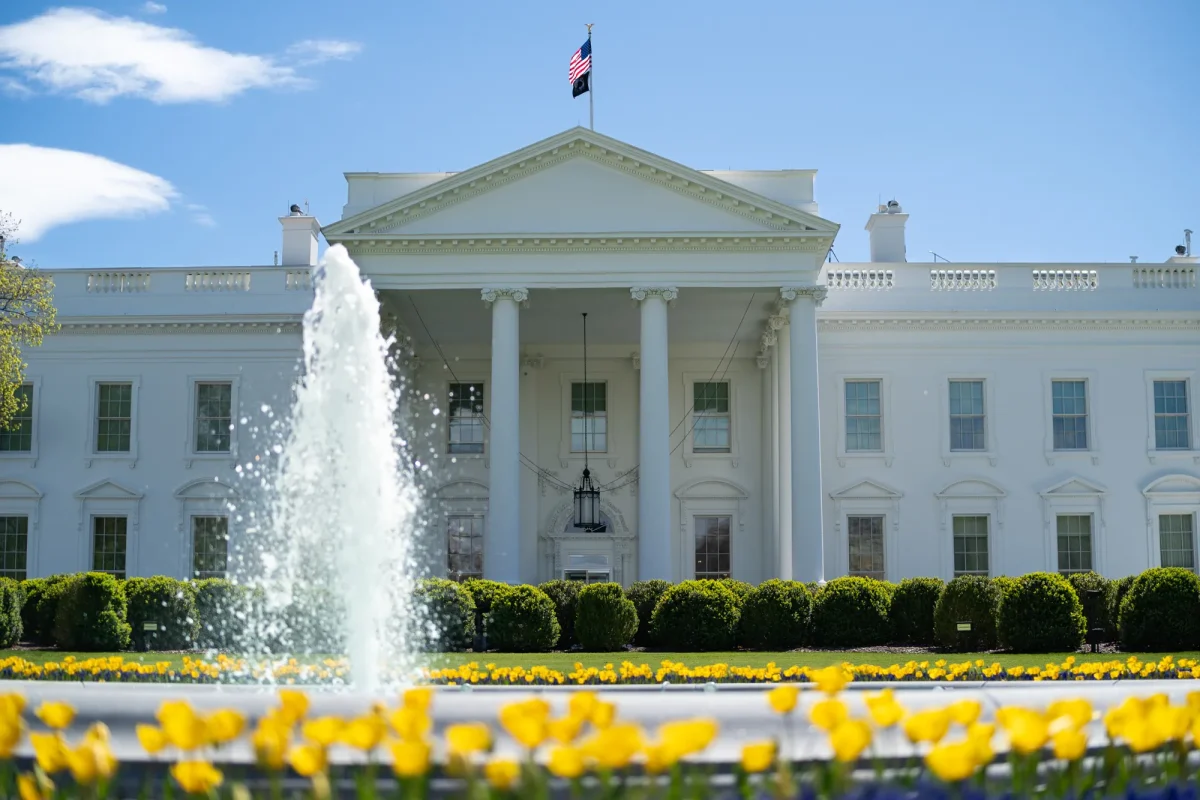
The longest government shutdown in U.S. history officially ended on November 12th when President Trump signed a bipartisan funding bill. The bill provides temporary government funding through January 30th, 2026 which leaves the possibility for another shutdown. Although the government has reopened, the detrimental effects of the shutdown are making it quite difficult for the country to recover.
Politics and Legislation
The final Senate vote barely passed with a 60-40 vote on November 10th. This required vote of 60 members was able to happen due to 7 democrats and 1 independent crossing lines and joining the republicans. The Senate was followed by the House of Representatives on Nov. 12th with a passing vote of 222-209. A part of the deal that Senate democrats made for reopening secured them a mid December vote on expiring Affordable Care Tax credits. If the vote passes it would help millions of Americans pay for health insurance.
Federal Workforce Returns
During the 43 day shutdown, about 1.4 million federal employees were either furloughed or worked without pay. Roughly half continued working without compensation while the rest were sent home. On Thursday November 13th all agencies reopened and workers returned. Back pay is guaranteed by law and included in the new bill. Although most workers will receive payments within days, some may be pushed back due to certain agency payroll systems taking longer. The bill also reverses any planned staffing cuts and restricts new layoffs through January.
Food Assistance Impacts: SNAP
42 million Americans rely on the Supplemental Nutrition Assistance Program, otherwise known as SNAP, for food assistance. In early November there was turmoil over SNAP’s funding but with the government reopening, SNAP’s payments will resume. Despite this, the timing of full payments depends on the state, resulting in worry from recipients about future disruptions in the case of another shutdown.
Effects on NIH and Science Research
The National Institutes of Health (NIH) ran at very low capacity during the shutdown. The shutdown furloughed 75% of intramural staff and stopped patient admissions, training programs, and scientific meetings. For the 43 day period no new awards were issued and no peer review or advisory meetings were conducted. AAI strongly urged Congress to resolve the shutdown, highlighting its destructive effects on scientific research. Now with the government reopened NIH has been able to return to its normal operations and will be supported by the bill through January.
IRS and Tax Season
During the shutdown the Internal Revenue Service (IRS) furloughed about half of its roughly 74,000 employees, suspending most refunds, closing call centers, and cancelling walk-in services and appeal appointments. The American Institute of CPAs warned that mail-based notices and collections could create major backlogs, potentially delaying the 2026 tax season. Past shutdowns such as those in 2013 and 2018-2019 left millions of unprocessed returns and verification requests, a backlog that has the potential to reoccur.
Economic Impact
The shutdown delayed important government reports such as the October and November job and inflation reports, October’s even having the possibility of never being released. Economists estimate the shutdown to have cost $15 billion per week, totaling roughly $92 billion. Along with the delays it caused 60,000 non federal workers to lose their jobs and also the decrease in the country’s consumer activity. There was reported to be a 4% decrease in auto sales, a 6% decrease in beer sales, and an expected 1.5% decrease in quarter 4 gross domestic product.
Looking Ahead
While the immediate crisis has finally ended and federal operations are resuming, the country’s agencies and programs must face the uncertainty of the temporary funding. Employees are receiving backpay, scientific research resumes, and the economy is slowly bouncing back. However, the end date of the bill is approaching at the end of next month, posing the risk of another shutdown and further harm to the country as a whole.