
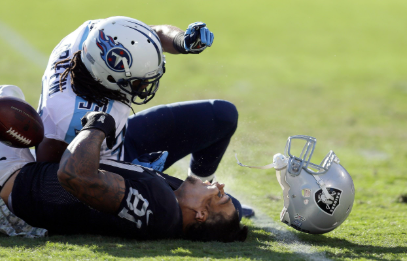
Every year, millions of families gather in their living rooms to watch the Super Bowl. And every year, around 1500-2000 injuries occur (per NFL season). Although being scouted by the NFL is a dream for many athletes, it is also a dangerous sport. Oftentimes in football, the injuries many players face are head-ons which can cause concussions and sometimes, serious brain trauma. But what does that really do to a person?
Our brain is the most important organ in the body; it’s what controls and regulates our systems. A concussion happens when a person collides their head with something else and their brain is bounced around their skull. It causes people dizziness, nausea, memory problems, and even emotional changes like anxiety or depression. Surprisingly enough, though, concussions are normalized in the professional football world. Data shows that in the last decade, the average amount of concussions per year was around 241. However, while concussions can heal over time with the right rest and medical help, repeated concussions can lead to CTE (Chronic Traumatic Encephalopathy) which doesn’t currently have a cure. It can’t be diagnosed until after death, either, meaning there isn’t any way to fight against it. CTE causes significantly more severe symptoms than concussions with serious memory problems, cognitive issues, and even suicidal thoughts.
The first case of CTE in the NFL was diagnosed in the early 2000s by Dr. Bennet Omalu. He was checking Mike Webster’s (a former NFL player) brain when he found abnormal proteins and neurofibrillary tangles. Wanting to check in with another doctor, he inquired with several other professionals who told him it wasn’t Alzheimer’s disease. After receiving more cases like this with Terry Long and Andre Waters, Dr. Omalu now had a case series which he published. Later on, Dr. Ann McKee was working on 21 year-old Owen Thomas’s case. In his autopsy, she saw 20 spots of trauma in his brain. However, unlike Dr. Omalu’s case, this college football player had never gotten a concussion before, which added to their knowledge of CTE; It could happen even without an obvious injury. Through the following years, more and more cases of CTE were diagnosed, building a more dangerous perspective on “minor injuries” athletes faced.
Now, with more awareness about this, diagnosed CTE cases have grown. Due to the inability to diagnose this disease in a live person, scientists can only estimate that there are a large number of undiagnosed cases in the world. In present day, the NFL are trying to find ways to prevent these injuries from occurring by building realistic simulations and improving their helmet designs. If a player potentially has a concussion, they are taken out and examined. If they do have a concussion, they have to follow a 5-step procedure which ensures the athlete is well healed before continuing the game. Though there may be better designed helmets or more steps to check a players health, the main cause of CTE will still remain: the head bumping. If the NFL can’t find a way to prevent those from happening, are the athletes really being protected?